In the bays
Eight close photographs of repair work, parts and tools, licensed for commercial use and credited on the privacy page. None is presented as work completed by this business.
-
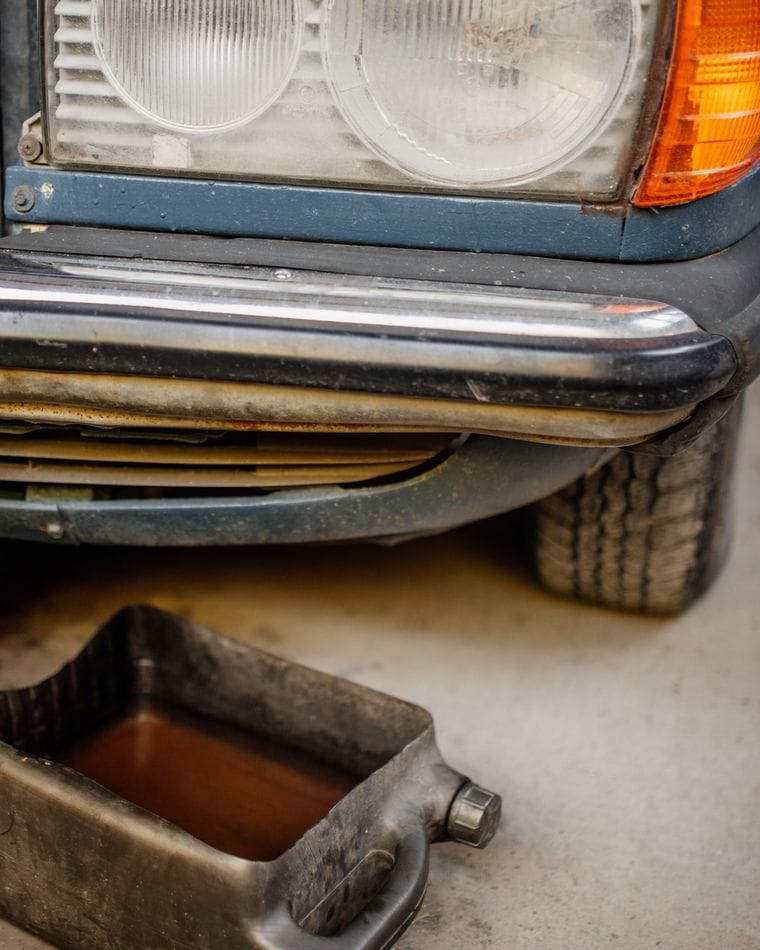
01 An oil change under way. The oil is drained while it is warm so it carries its sediment out with it, and the drain plug gets a new washer every time, because a reused washer is the most common cause of a slow drip on the driveway. -
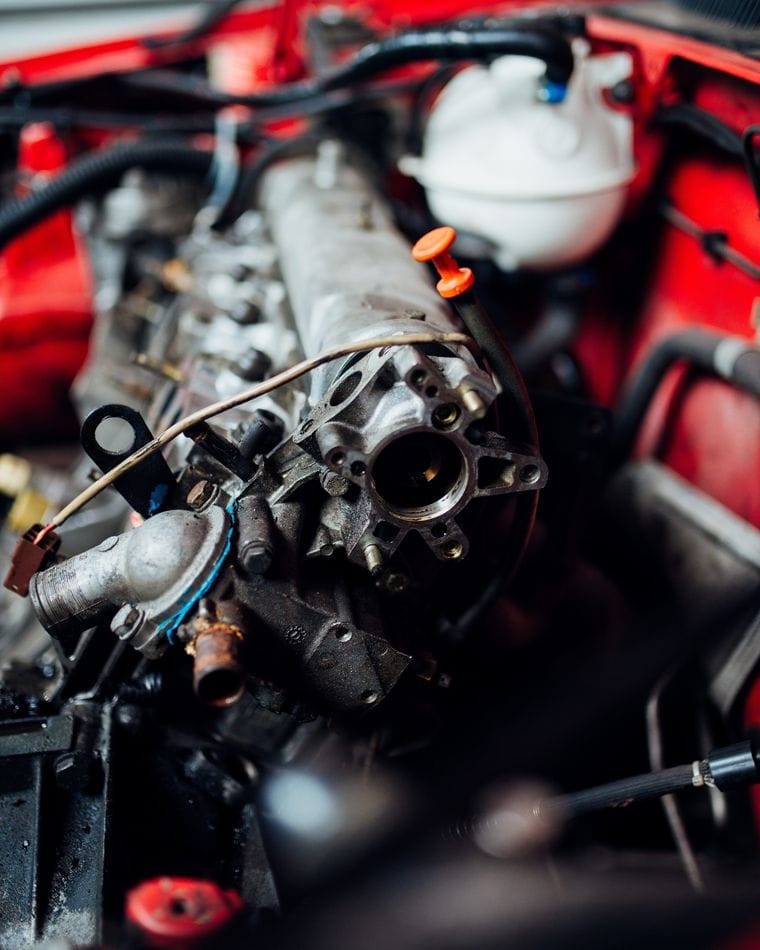
02 An engine opened for inspection. Taking the top off shows what a fault code can only suggest: worn cam lobes, sludge or a leaking gasket. It is done only once the diagnosis points there and the cost of opening the engine has been agreed. -
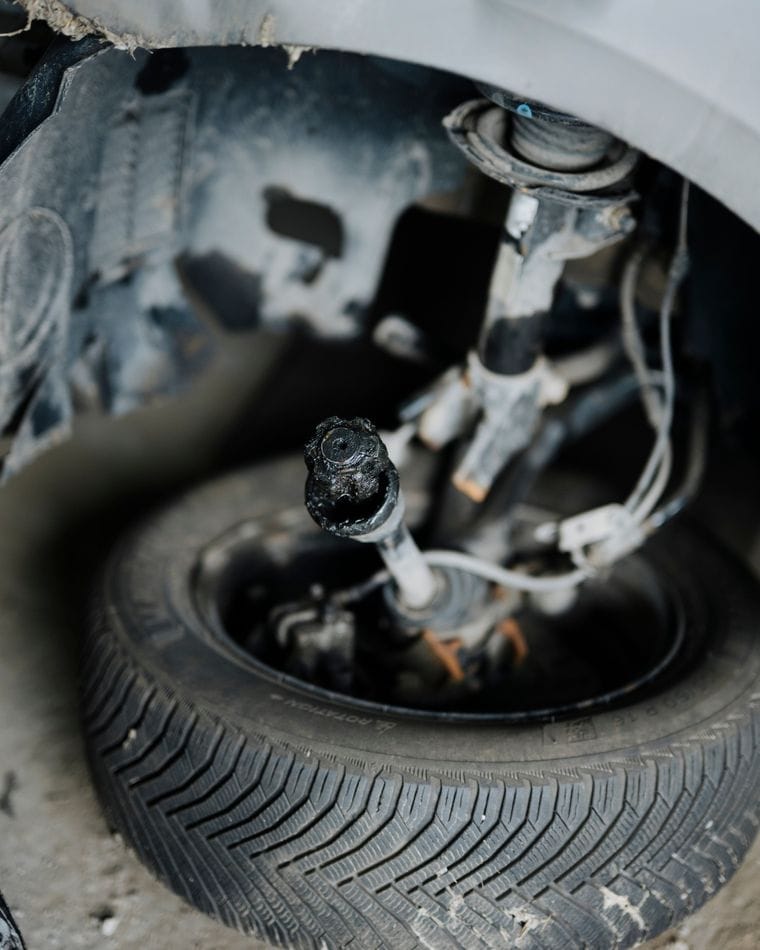
03 A damaged front corner. After a pothole or a curb strike the visible damage is rarely the whole story, so the control arm, the tie-rod and the wheel itself are each measured before a price is given for any one of them. -
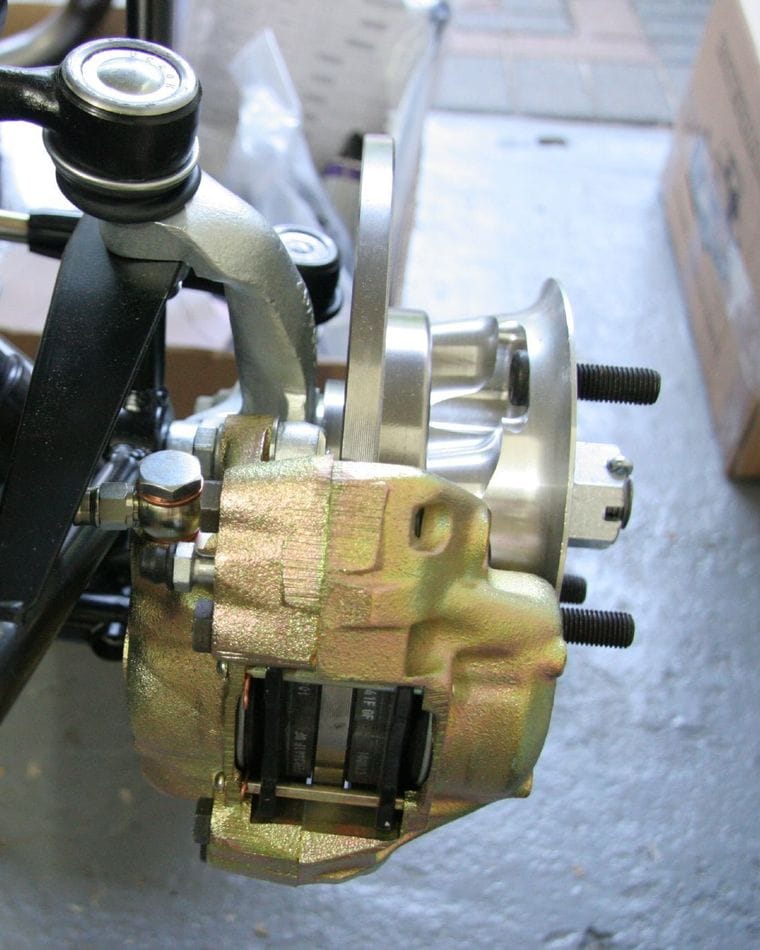
04 Brake pipes being fitted and tightened. A new line is bent to follow the original route, clipped where the original was clipped, and every joint is checked for weeping after the system has been bled. -
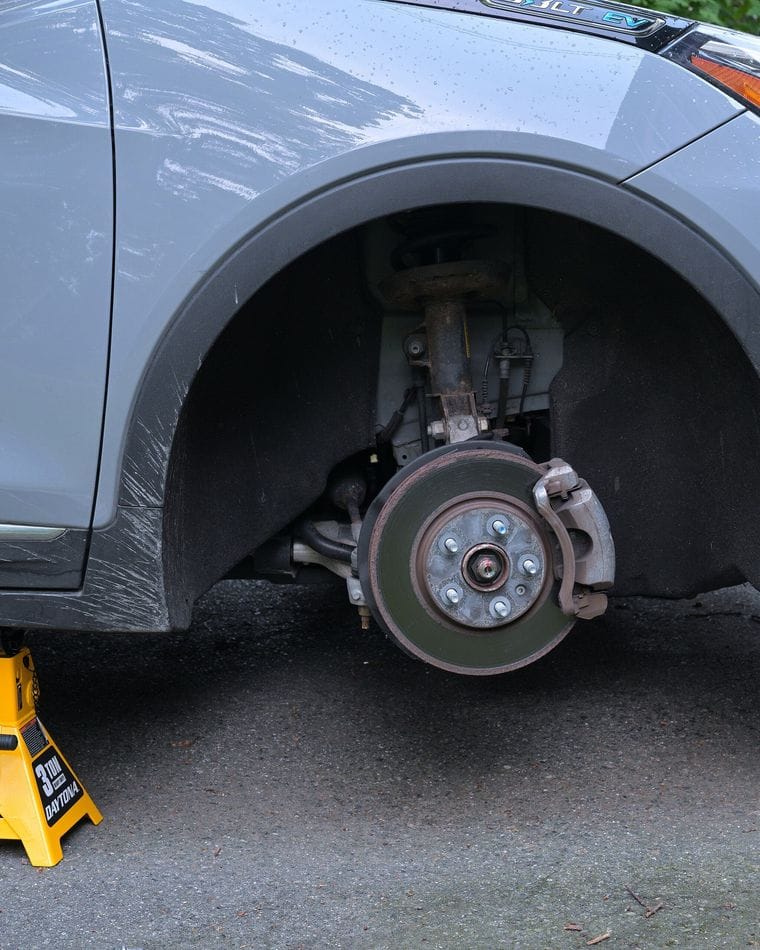
05 A front brake with the wheel off. The car sits on a stand, never on the jack alone, and the rotor is measured at several points before pads are chosen, because uneven wear shows up later as a pulse in the pedal. -
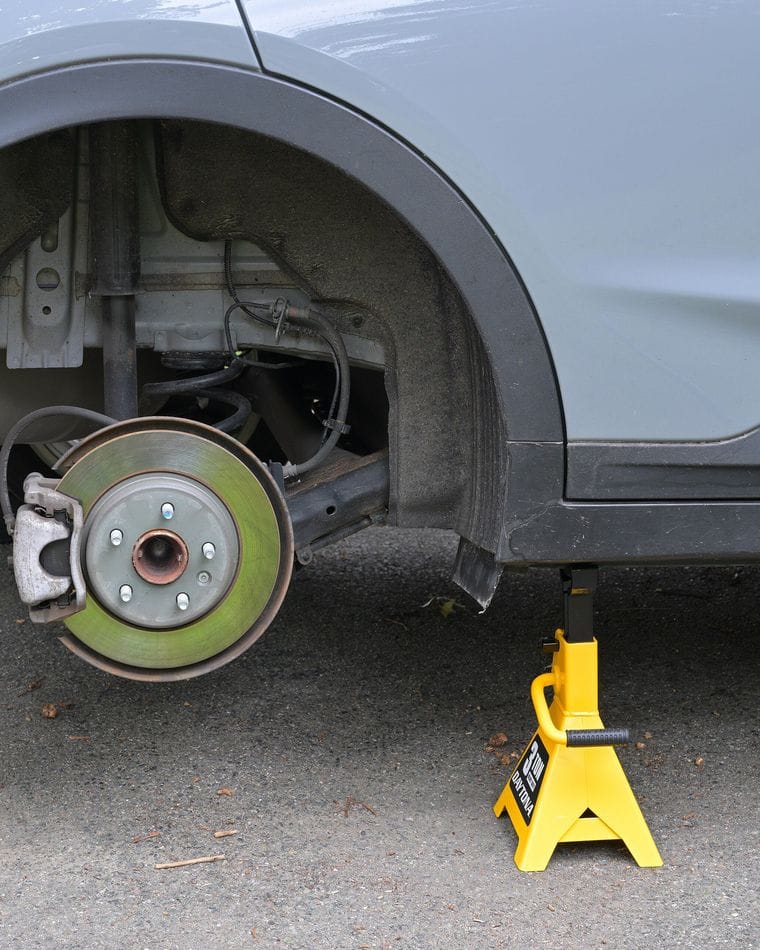
06 A rear disc brake. Rear pads usually outlast the fronts, but a seized slide pin or parking-brake mechanism wears them unevenly, which is why both sides of an axle are opened even when only one of them is making noise. -
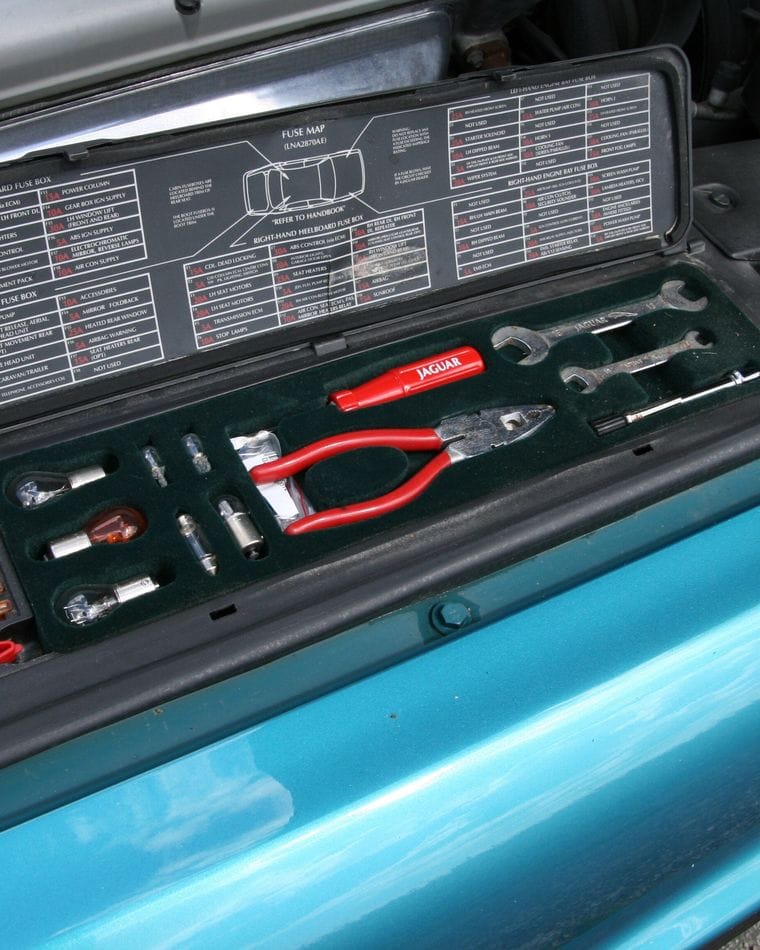
07 The tool kit a car left the factory with. It is fine at the roadside and wrong for the shop: fasteners are set with a calibrated torque wrench to the figure the manufacturer publishes, not tightened by feel. -
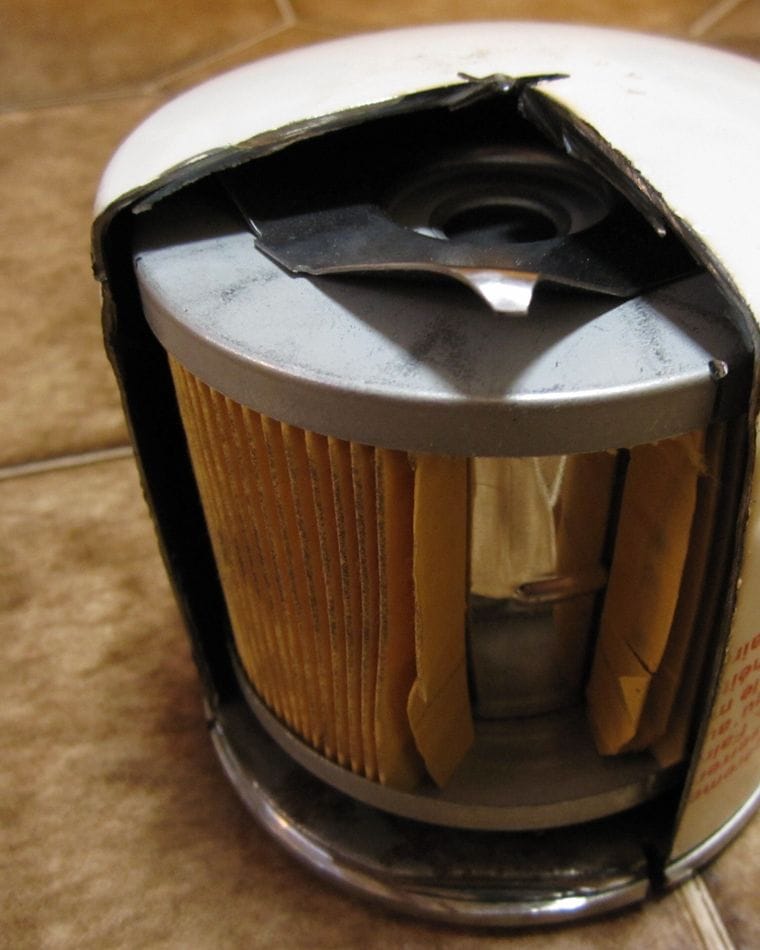
08 An oil filter cut open. The pleats show metal flakes, sludge or bypassed oil long before an engine starts making noise, which is why a used filter is set aside and opened whenever an oil sample looks wrong.
Before, on the lift, finished
The three stages a repair passes through, shown with three of the same licensed photographs used above. They illustrate the stages of the work. None of them is a photograph of a car repaired by this business.
-
Before
The car is looked at before it is touched. The owner's description, a road test and an inspection on the lift decide what is wrong, and the estimate is agreed before any part is ordered.
-
On the bench
Parts are fitted to the manufacturer's specification and torqued rather than tightened by feel. Anything new that turns up once the job is open is phoned through before it is added.
-
Finished
The work is checked, the car is road tested, and the old parts are kept for the owner to see at collection.
Ask about a vehicle
The make, the model and what the car is doing is enough to start. The shop replies with the drop-off times a bay can take it.