Keel StreetAuto Works Book a repair
Menu

Dayton, Ohio

A car inspected, tested and repaired in the bay

Keel Street Auto Works finds what is wrong with a car before it replaces anything, agrees the price with the owner first, and repairs to that.

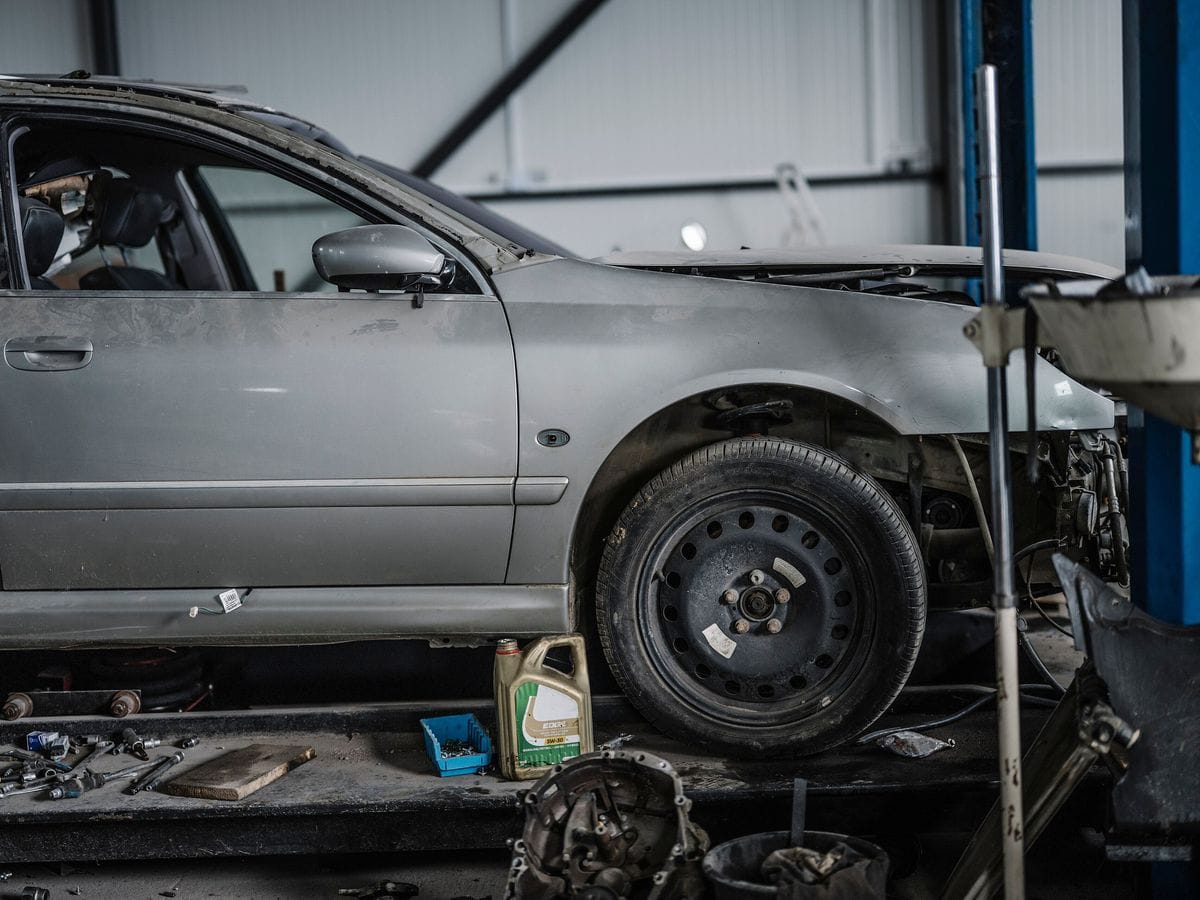
A partially dismantled car raised on a lift in a repair shop, with tools and parts laid out on the floor beneath it.
A car up on the lift, tools on the floor.
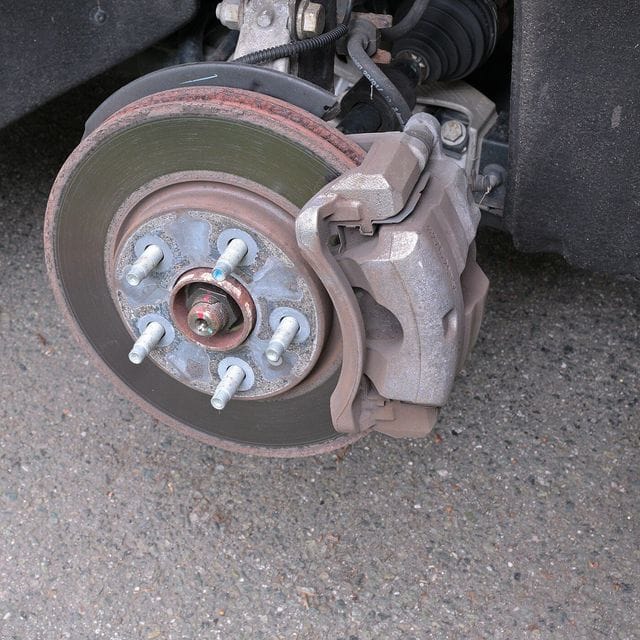
A closer view of a front disc brake with the wheel removed: the caliper clamped over a vented rotor. Enlarge the detail

Six services, each priced

Each service names what it covers, how long it usually takes and what it starts at. A repair that varies with the car is never quoted as a single flat figure.

  • Brake service

    Pads fitted on one axle, rotors measured, slide pins cleaned and the fluid tested. About 1.5 to 2 hours per axle.

    from $189

  • Oil and filter service

    Oil and filter changed to the manufacturer's specification, with a written check of fluids, tires and leaks. About 45 minutes.

    from $69

  • Suspension and steering repair

    Joints, bushings, struts and links checked on the lift and replaced where worn, with the alignment quoted alongside. Half a day to a full day.

    from $240

  • Battery and charging system

    Battery load tested, alternator and starter measured, and a new battery fitted only if one is needed. About 1 hour.

    from $159

  • Diagnostic inspection

    Codes read, live data reviewed and the suspect part tested, ending in a written finding and estimate. About 1 hour.

    $129

  • Pre-purchase inspection

    Road test, fault scan and lift inspection of a used car, written up with costs before the purchase. About 1.5 hours.

    $149

How the shop works

A repair is agreed before it is made. The car is inspected and tested, the finding is explained in plain terms, and the price is confirmed at that point rather than after the work. When something new turns up once a part is off, the shop calls before going further. Where a repair is not worth doing on a particular car, Keel Street Auto Works says so.

Every estimate lists parts and labor separately, and anything that can safely wait is written down with a note of how long it can wait rather than added to the job. The old parts stay with the car so the owner can see what came off. Work that needs a specialist, such as a transmission rebuild or bodywork, is referred on before any time is charged.

A repair, in four steps

Every job follows the same order, from the first message to the moment the keys are handed back. No part is ordered before the price is agreed.

  1. 01

    Describe the problem

    A message naming the make, model and year, what the car is doing and when it started. Details such as a noise only when braking, or a light that comes and goes, save time once the car is in the bay.

  2. 02

    Inspect and test

    The car is road tested where it is safe to drive, then inspected on the lift and scanned. The cause is confirmed by testing the part itself, not assumed from a fault code.

  3. 03

    Agree the repair and the price

    The finding is explained with parts and labor itemized, and nothing is started until the owner says yes. Anything that can safely wait is listed separately rather than bundled into the job.

  4. 04

    Repair, road test and collect

    The work is carried out to the manufacturer's specification and the car is road tested again. The old parts are kept for the owner to see at collection.

In the bays

Photographs of the work a repair shop does on an ordinary day: oil drained, engines opened for inspection and suspension checked with the car up on the lift.

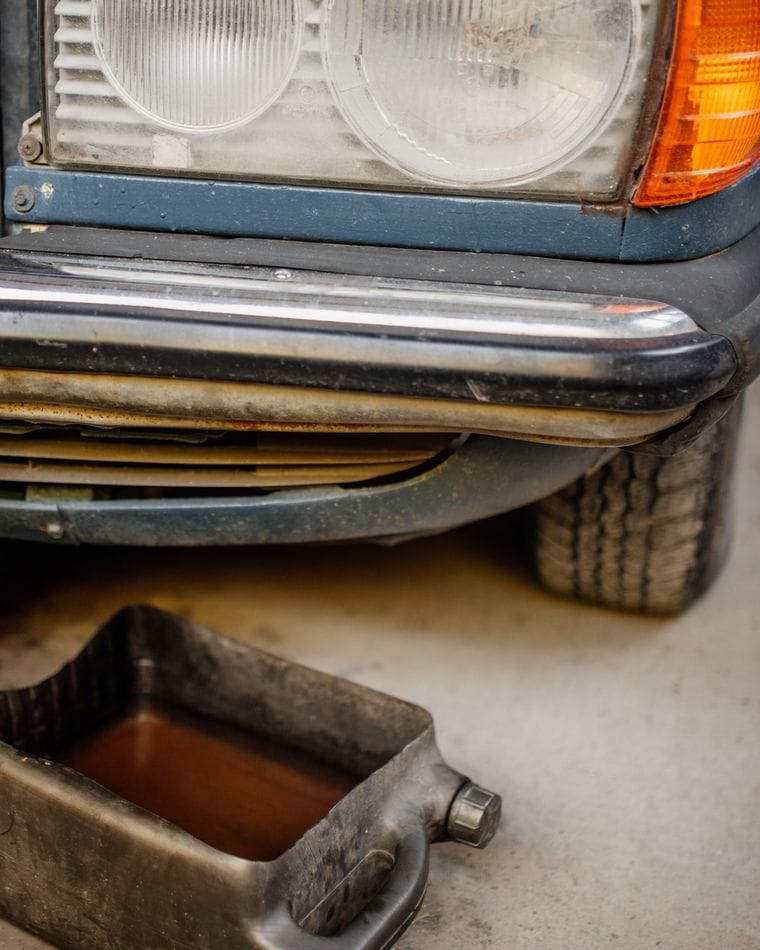
  • The front of a car in a workshop, with an oil drain pan set on the floor beneath the bumper.
    Oil drained warm, with a new washer on the drain plug.
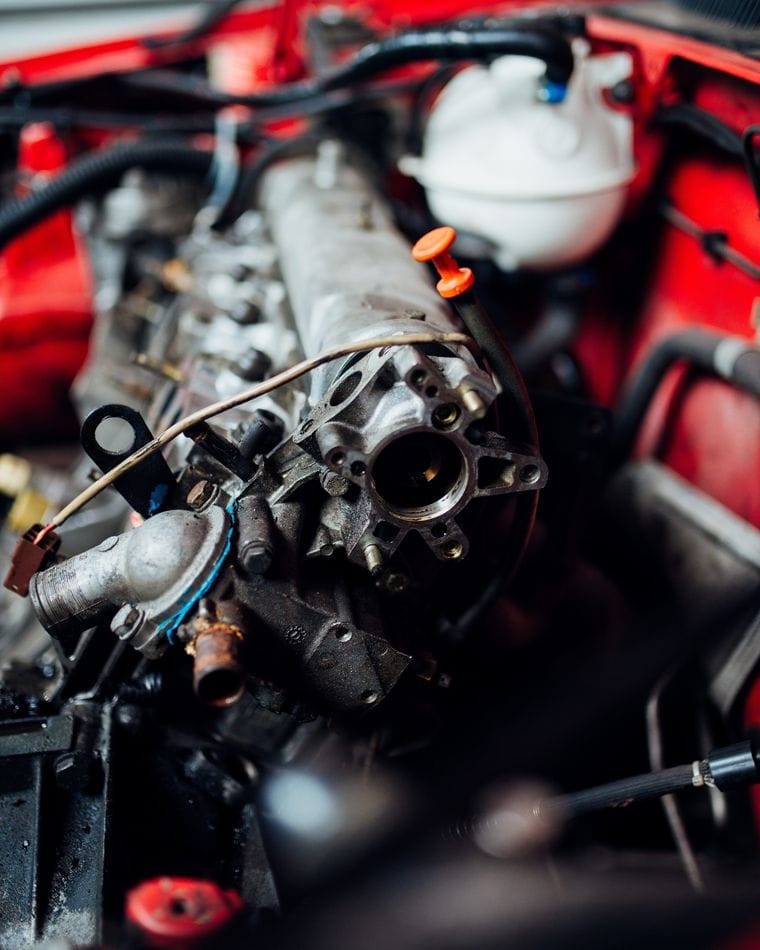
  • An engine bay with the top of the engine opened up, the cylinder head and valve gear exposed during an inspection.
    An engine opened only after the diagnosis points there.
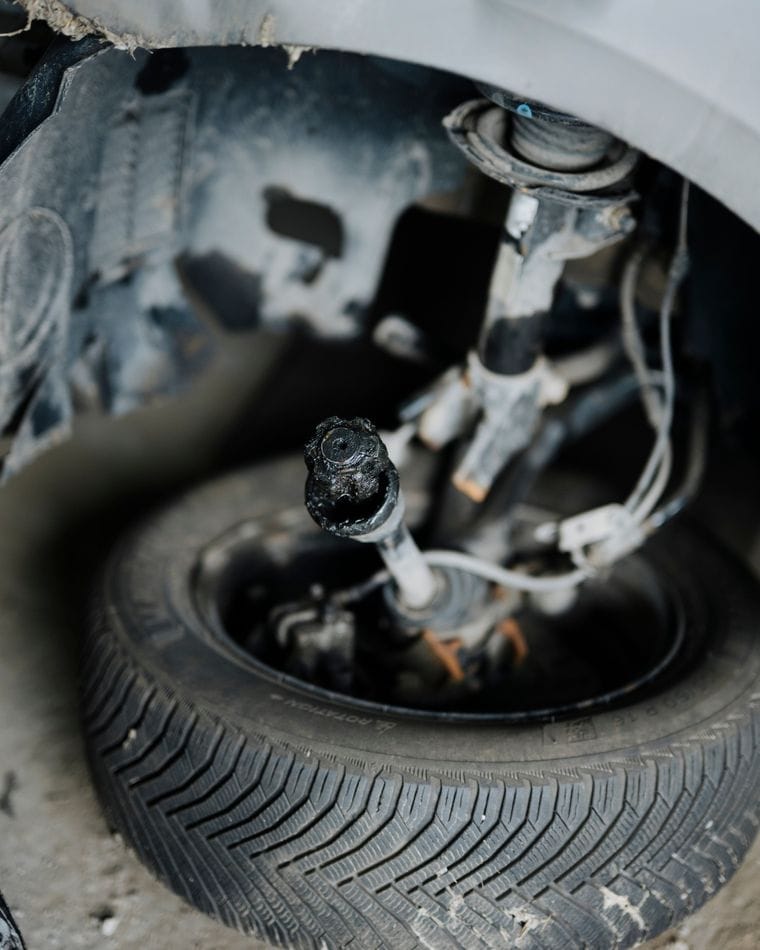
  • A car's front wheel and suspension, with visible damage to the suspension parts and the tire.
    A damaged corner, measured part by part before pricing.

Who is in the shop

Four roles cover the service desk, the two lifts and the diagnostic bench. Most first visits begin with these two: the chassis bay for anything felt through the wheel, and the service desk for everything else.

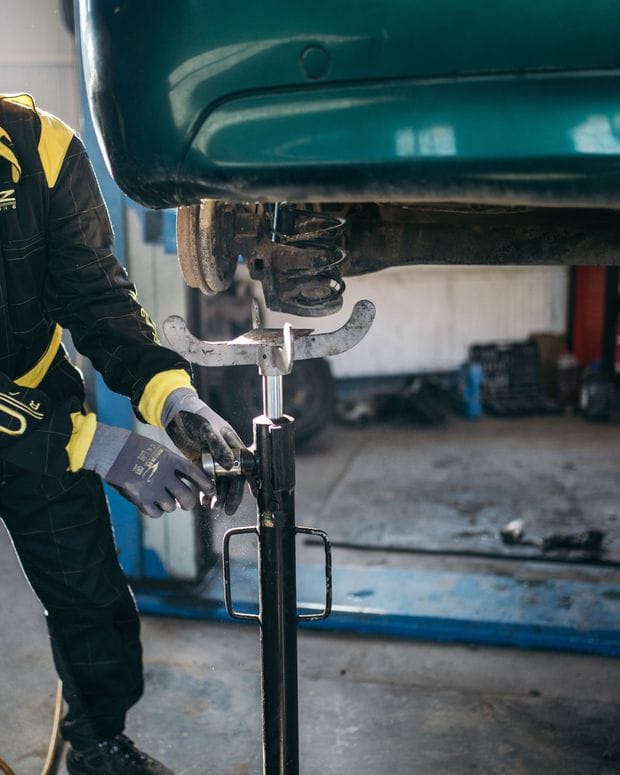
  • The underside of a car raised on a lift in a repair shop, with a technician working on the front suspension.

    Chassis bay

    Suspension and steering technician

    Works under the car on the two-post lift, checking ball joints, bushings, struts and steering linkage with the weight off the wheels. The role explains which worn parts affect safety now, which can wait for the next service, and when a repair needs an alignment to follow it. Nothing beyond the agreed estimate is fitted without a call first.
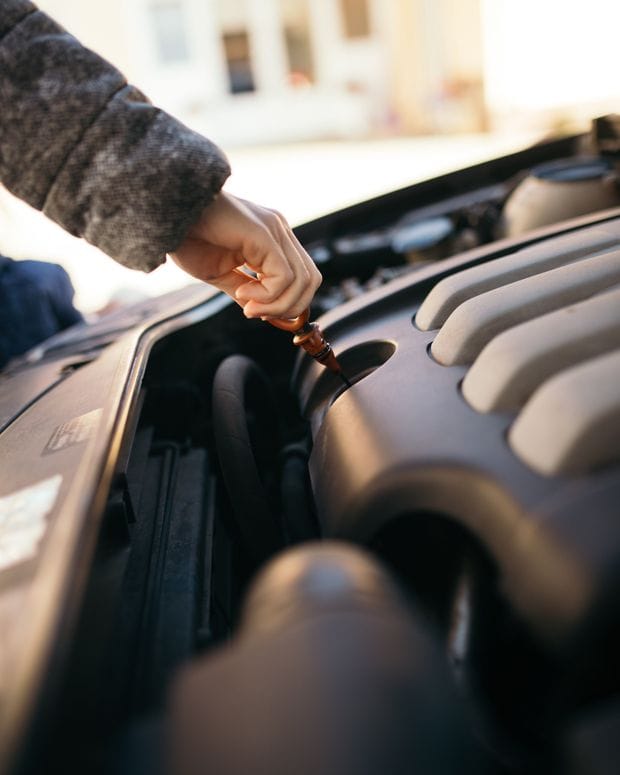
  • A hand drawing the engine oil dipstick from an open engine bay to check the oil level.

    Service desk

    Service advisor and maintenance technician

    Takes the first description of the problem, writes up the work order and carries out routine oil services and inspections. The role turns what a customer hears or feels into notes the bays can act on, and calls back with the estimate before any extra work starts. It is also the contact for a pre-purchase report and what its findings mean.

What customers have said

  • The brakes had started grinding on the way to work and I assumed everything needed replacing. The rotors were measured in front of me, and the fronts were still inside the thickness stamped on them, so only the pads were changed. I was told to leave the rears alone. The price on the estimate was the price on the invoice, and the old pads were in a bag on the passenger seat.

    Emmett H.

  • Another shop had read the code and replaced an oxygen sensor, and the light came back two days later. Here the fault was traced to a cracked vacuum hose behind the intake, and the smoke test was shown to me on the technician's screen. The diagnostic fee came off the repair, and the light has stayed off for four months.

    Bettina E.

  • I was about to buy a used SUV from a private seller and paid for an inspection first. The report found a weeping rear main seal and front tires six years old, with a rough cost beside each item. I used it to take eleven hundred dollars off the price, and the seller agreed because the photographs were right there in the report.

    Dessa J.

Asked often

How should a visitor choose a service?

Start with the service descriptions and prices. When the cause of a problem is unclear, the diagnostic inspection is the right first step.

What should a first-time visitor prepare?

Bring the service records if there are any, and describe when the problem shows up: only when cold, above a certain speed or when turning.

Can a visitor request a specific staff member?

Yes. Name a preferred role in the contact form; availability is confirmed separately in the reply.

Are the displayed prices final?

Published prices apply to the stated scope. A from price is a starting point, and a written estimate is agreed before work begins.

Ask about a vehicle

The make, the model and what the car is doing is enough to start. The shop replies with the drop-off times a bay can take it.

  • Engine oil
  • Coolant
  • Brake fluid
This is a demo design, not a real business.Have it rebranded as yours for $500 from EZWebee.