Cut by hand.Fitted in person.
A good suit starts with a pattern drawn for one person, and it is finished only after it has been fitted on that person, more than once. Ashby & Crane Bespoke is a tailoring studio in the North Loop of Minneapolis, and every garment is cut on the premises.
- Location
- North Loop, Minneapolis
- Weekday hours
- 10:00 AM to 7:00 PM
- Telephone
- (000) 000-0000
01 · Services
Bespoke tailoring, alterations and styling
Bespoke and made-to-measure suits, custom shirts, everyday alterations, bridal work and wardrobe edits, each priced in writing before any cloth is cut. Every price is published on this website, and nothing on it completes a booking.
01.1 · Price index
- 01Bespoke two-piece suitfrom $3,200
- 02Made-to-measure suits & jacketsfrom $1,650
- 03Custom-measured dress shirtsfrom $195
- 04Everyday alterations & invisible mendingfrom $32
- 05Bridal & eveningwear alterationsfrom $380
- 06Wardrobe edit & occasion styling$240 a session
02 · Approach
Every garment is cut for one body, fitted on that body, finished by hand.
Many shops measure once and send the order away to a distant factory. Ashby & Crane Bespoke cuts and sews in its own workroom, so the person who measured you is the person who adjusts the pattern: no garment leaves the building, every fitting is held in the studio, and the price quoted in writing is the price paid at collection. How the studio works.
02.1 · Three steps
From a first conversation to a finished garment
-
01
Consultation
What the garment is for is discussed: a wedding, a new job, a season of travel or a wardrobe that no longer fits. Cloth bunches are opened, and both sides confirm the fit.
Complimentary, 30 minutes
-
02
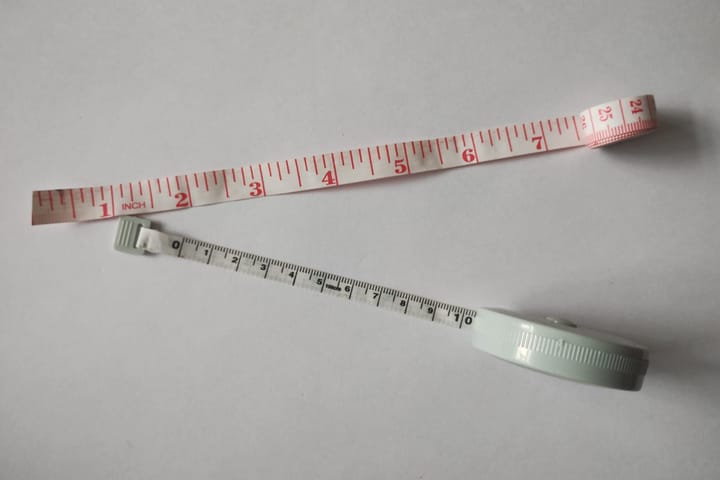
Measurements and quote
A written quote shows the exact price of the garment, the cloth and every extra in dollars.
Before any cloth is cut
-
03
Fittings and finishing
The pattern is cut, the garment is fitted in stages on the body, and the last press is done by hand.
Then a check within the year
02.2 · What one order contains
- 01 Scope
- A written statement of the garment, the cloth and trimmings it uses, and which published price applies to it.
- 02 Inputs
- The measurements needed, taken once at the start. Nothing further is charged unless the order changes and is requoted.
- 03 Handoff
- The finished garment, a card with your measurements, the cloth reference and plain notes on pressing, cleaning and storing it.
- 04 Next step
- One named check and the date it is due. Where nothing needs to change at that check, the card says so instead.
03 · Gallery
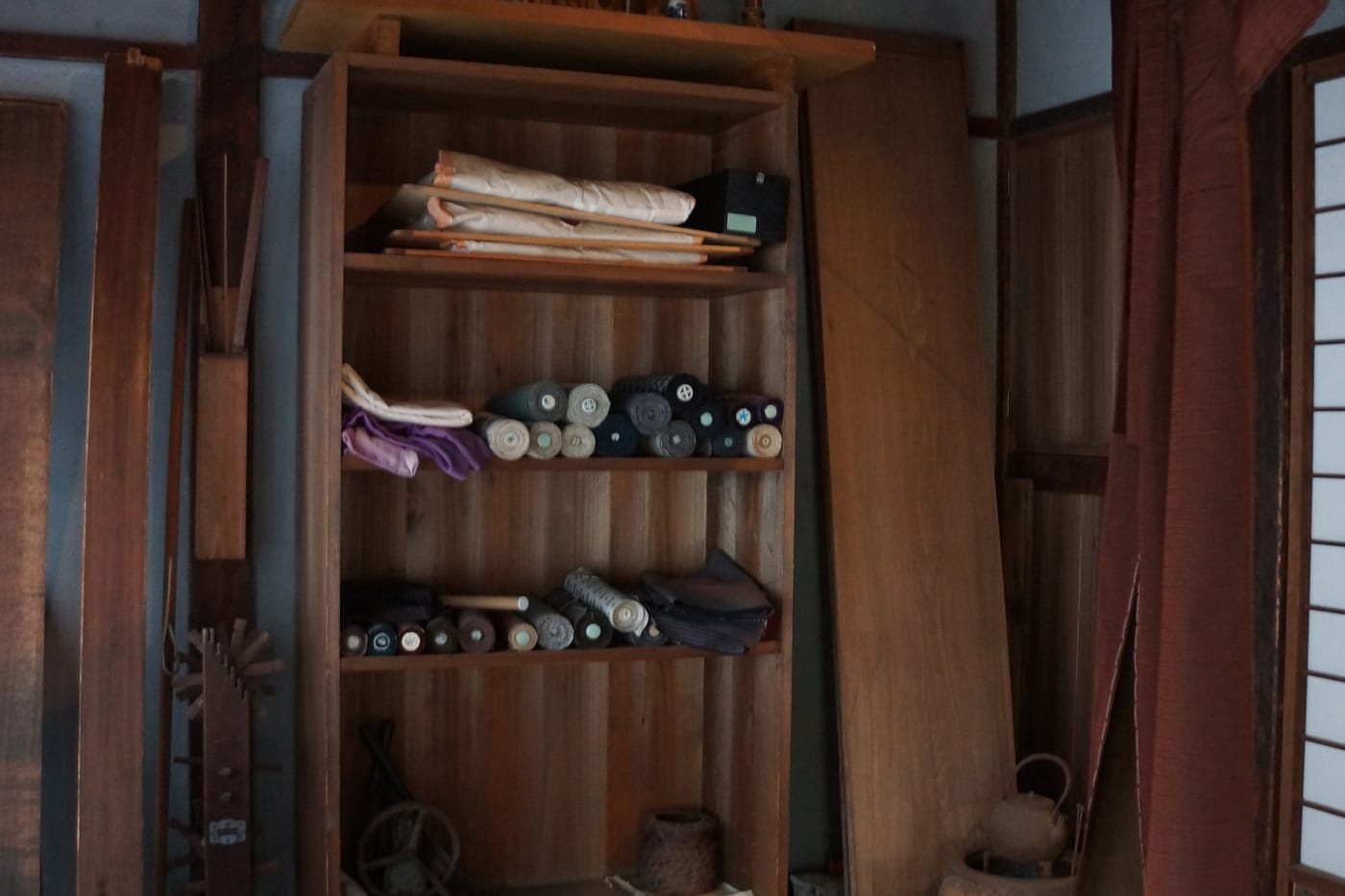
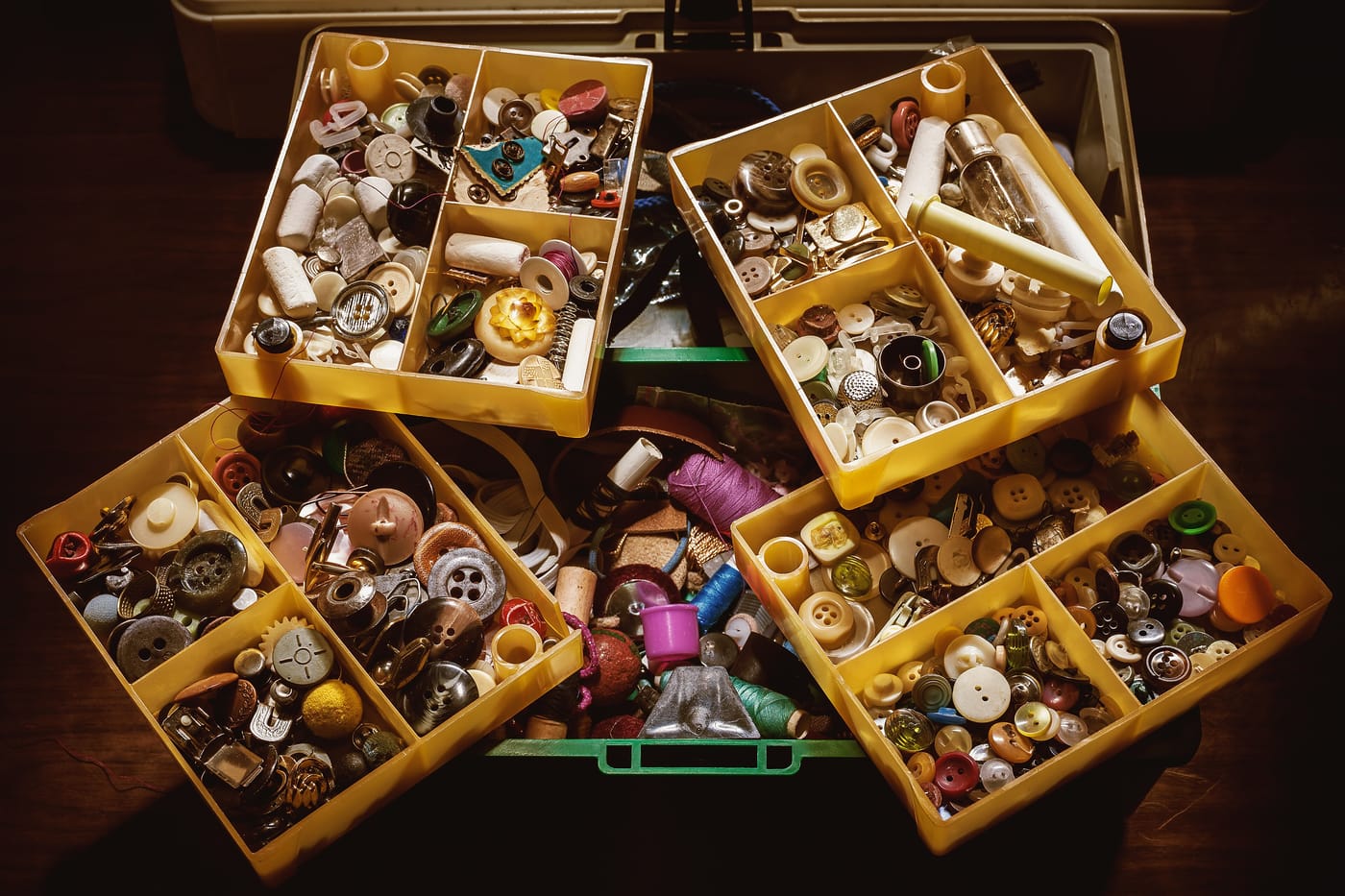
Inside the cutting room and fitting rooms
04 · Staff
Your cutters, makers and wardrobe stylist
04.1 · Head cutter
Edmund Ashby
Founder · Head cutter & senior bespoke tailor
Edmund Ashby trained in London and has spent 19 years at the cutting table, drafting every bespoke pattern by hand. He leads first measurements, cloth advice and the baste fittings for every bespoke suit and overcoat the studio makes.
04.2 · Wardrobe stylist
Harriet Crane
Co-founder · Wardrobe stylist & cloth specialist
Harriet Crane plans wardrobe edits and occasion outfits, chooses cloth and colour with every client, and keeps a record of what has been made so new pieces work with old.
04.3 · Coats & alterations
Tomasz Wierzbicki
Coat maker · Alterations & invisible mending lead
Tomasz Wierzbicki makes coats and jackets from the cut pieces to the final press, and runs the alterations bench, from shortened sleeves and taken-in waists to invisible mending on fine wool.
04.4 · Bridal & studio diary
Noor Haddad
Bridal & fittings specialist · Studio manager
Noor Haddad looks after bridal gowns and eveningwear from the first pinning to the final press, keeps the fitting diary, and makes sure each garment is ready on the day promised.
05 · Reviews
Notes from long-standing studio clients
01
For years Richard bought shirts off the peg that pulled across the chest and swamped him at the waist. Edmund measured him once, Noor kept the card on file, and a trial shirt was washed and worn for a week before the rest were cut. Six shirts later, every collar sits flat under a tie, the cuffs clear his watch, and he has finally stopped tugging at his sleeves in every meeting he goes to.
Dr. Richard & Elaine W.
- Service
- Custom-measured dress shirts
- Written
02
We had a pile of good clothes we never wore because something was slightly wrong: a coat with sleeves too long, trousers that dragged on the floor, a moth hole in Jenna's favourite wool skirt. Tomasz went through the lot in one visit, priced each job in writing and had everything back within ten days. The invisible mend is honestly impossible to find, and the coat now looks as if it was made for Lucas.
Lucas & Jenna M.
- Written
03
I had four months before my wedding and no idea what suited me. Harriet helped me choose a mid-blue wool from three bunches, and Edmund adjusted the made-to-measure block over two fittings until the jacket sat cleanly across my shoulders. My brother's suit was cut alongside mine so the two matched. On the day nothing pulled and nothing creased, and the photographs show it. I still wear the jacket to work.
Sanjay K., groom
- Written
04
I spend twelve hours a day on my feet in front of guests and had been buying the wrong clothes for years. Harriet spent an afternoon going through my wardrobe, kept what worked, named what to let go and wrote a short list of three pieces to add. Tomasz altered two old jackets to match the new trousers. I now get dressed in five minutes, and my staff have stopped asking whether I am off to a funeral.
Terrence B., restaurant owner
- Written
05
Paul has an uneven shoulder that no ready-made suit has ever forgiven. Edmund drafted his pattern from scratch, and we came back for a baste fitting, a forward fitting and a finish fitting over about ten weeks. Every stage was explained, and the price never moved from the written quote. The finished grey flannel hangs straight on both sides for the first time in his life, and he wears it with real pleasure.
Monica & Paul D.
- Service
- Bespoke two-piece suit
- Written
06
My daughter's gown arrived from the shop two sizes too large with only five weeks to spare, and I was close to panic. Noor pinned it at the first visit, set out three fittings in her diary and kept every promise she made. The bodice was taken in, the hem was turned up by hand and a bustle was added for the dancing. On the morning of the wedding it fitted as though it had been made for her alone.
Helen R.
- Written
06 · Questions
Common questions about bespoke tailoring
Plain answers on how long things take, how prices are set and who bespoke work suits. No tailor can promise that a body will not change, and none of these answers does.
06.1 · Answers
01 What is the difference between bespoke and made-to-measure?
A bespoke garment starts with a paper pattern drafted by hand for one person, and it is built in stages with a baste fitting, a forward fitting and a finish fitting. Made-to-measure starts from an existing block pattern that is adjusted to your measurements and posture, with one or two fittings. Bespoke takes longer and costs more; made-to-measure suits most people who want a clean fit in less time.
02 How long does a bespoke suit take?
Usually ten to twelve weeks from the first measurements to collection, with three fittings along the way. Cloth that has to be ordered from the mill can add two or three weeks. A finish date is never promised before the first fitting, because the garment has to be seen on the body before the remaining work can be planned honestly and written into the diary.
03 Is there a minimum spend or a deposit?
There is no minimum spend for alterations, and small jobs are priced at the counter. Bespoke and made-to-measure orders take a deposit of half the written price once the cloth is chosen, with the balance paid at collection. Shirts are paid in full once the trial shirt has been approved, so nothing is cut for the full order until the fit is right.
04 Can I bring my own cloth?
Yes. Cloth bought elsewhere is welcome, provided there is enough of it and it suits the garment. Edmund checks the length, weight and weave at the first meeting and says plainly if it will not work. The price for making up your own cloth is the published price less the cloth itself, and that figure is given in writing before anything is cut. Linings, buttons and canvas can come from the studio or be brought along too.
05 Do you alter clothes bought elsewhere?
Yes, and most of the work on the alterations bench is on clothes bought from other shops. Sleeves, hems, waists and seats are the usual jobs, along with relining jackets, replacing zips and invisible mending on fine wool. Each garment is pinned at the counter, the price is written on the ticket, and the usual turnaround is seven to ten working days, with a faster service quoted on request.
06 What happens if something does not fit at collection?
It stays until it does. Every garment is tried on at collection, and any adjustment found then is made at no charge. Bespoke and made-to-measure pieces also include a free re-press and adjustment check within the first year, because cloth settles with wear. No studio can promise that a body will not change, so alterations needed after that year are quoted in the usual way and written on the ticket.
07 · Contact
Book a first consultation
The complimentary 30-minute consultation starts with what the garment is for; nothing needs to be brought. Enquiries are answered by email or telephone during studio hours, and a time is confirmed only once it has been agreed in writing.