05 · About
A firm built around a signed scope
Ashcombe Street Law plans estates, forms and advises companies, negotiates property deals and leases, and represents clients in civil disputes across Cincinnati. How a matter moves from first message to closing letter is set out below, in the order a client meets it.
02 · Approach
How the firm works
Ashcombe Street Law starts every matter with a signed engagement letter that names the scope and the fee. Six practice areas are published with their starting fees, and a client picks one or asks at the strategy consultation which one fits. There is no sales pitch beyond that.
Records matter more than volume here. Each matter carries a note of what was agreed, what was advised and what was deliberately left for later, so the next conversation starts where the last one ended rather than from the beginning. The firm runs a conflict check before it reads the detail of any enquiry, and it would rather decline a matter than take it on without a scope both sides can read.
Planning and transactional work is quoted as a flat fee; contested disputes are billed hourly against a trust retainer and itemised every month. No matter is extended once it has started without a new written scope agreed before the extra work begins.
03 · Principles
Three operating principles
Each one is a rule the firm can be held to, not a statement of intent.
01
Scope before fee
A fee is only meaningful next to the work it covers, so every practice area on this website carries its scope in plain terms. Where a scope cannot be fixed in advance, as in litigation, the hourly rates and the retainer are set out in writing instead of guessed.
02
Plain language, in writing
Advice a client cannot restate in their own words has not been explained. Options, trade-offs and what was decided are put in writing after each meeting, in the same language they were discussed in.
03
No promised outcome
Ashcombe Street Law does not promise a result, a settlement or a ruling, and no attorney there will predict one. It describes what a service covers, what it costs and what the client would need to decide, and stops there.
04 · Process
Four steps, enquiry to closing letter
The same four for every practice area, whether the fee is flat or hourly.
01
The enquiry
A visitor sends the contact form or writes by email, naming the practice area, the other parties and any deadline.
02
The check and the reply
The names are checked for conflicts, then the firm replies with what it can do, what it would cost and what it would need.
03
The engagement letter
Scope and fee are set out in a letter and signed. No attorney-client relationship exists before that.
04
The work and the closing letter
The work is carried out, and a closing letter records what was delivered and any date still to watch.
05 · Place and limits
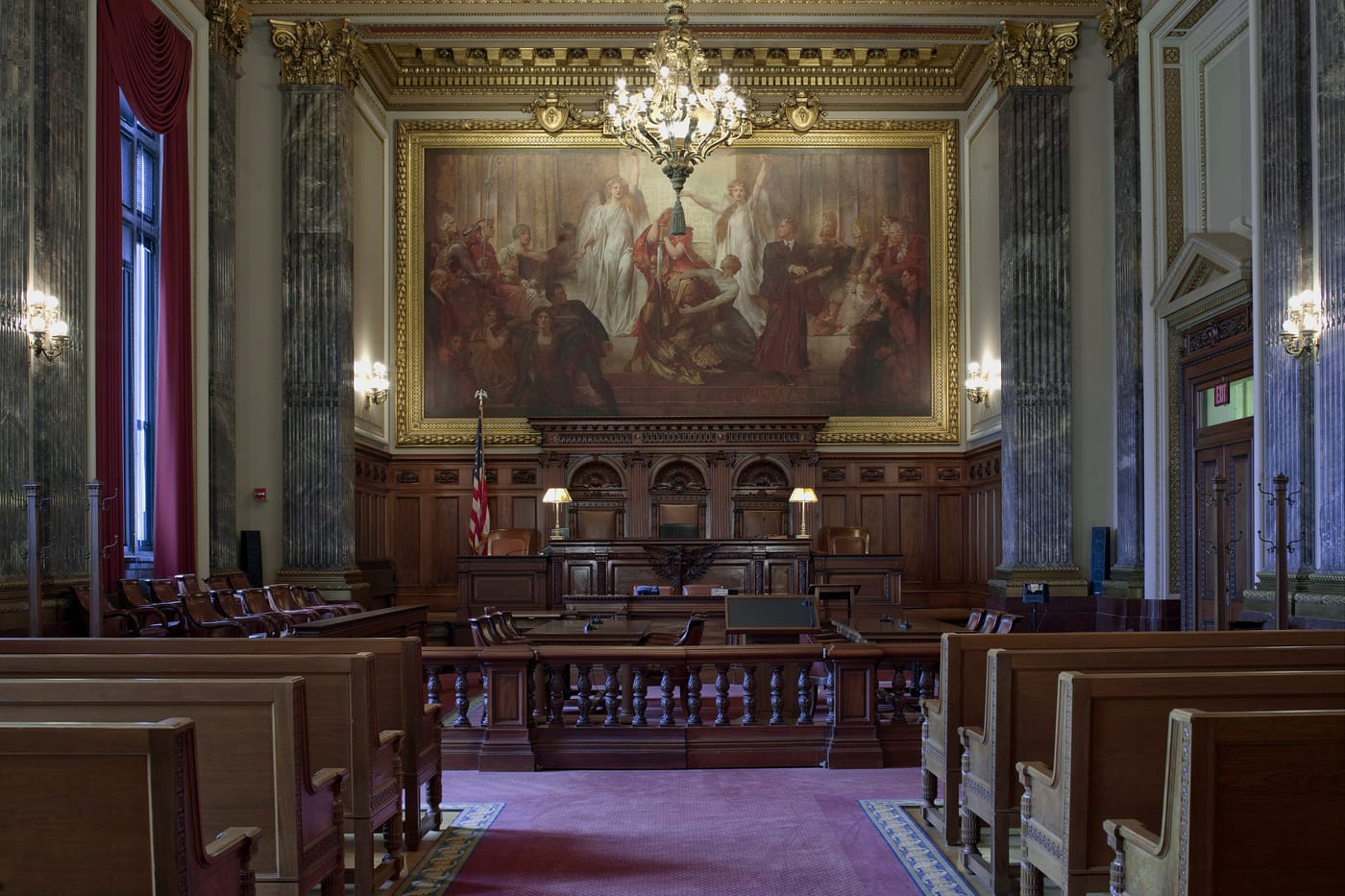
The courtroom, and what the firm cannot take
One stated limitation
Ashcombe Street Law is a small firm with three attorneys and a fixed weekday schedule. It does not handle criminal defence, personal injury, immigration, divorce or custody litigation, or probate administration, and it declines a matter outright when the conflict check finds an existing client on the other side. When the calendar is full, a new enquiry can wait two working days for a reply rather than one. The firm says so at the enquiry stage rather than accepting work it cannot give proper attention. A visitor facing a court date inside a week is better served by putting that date in the first line of the message.
06 · Contact
Ask whether the firm can take it on
An enquiry gets a straight answer about conflicts, capacity and timing before anything else is discussed.