The rooms and the record
Eight photographs of rooms, shelves and surfaces. They show the setting the work happens in. None of them is a matter handled by Marchmont Vale Law, and none shows a client, a file or a document belonging to one.
I The reading room
One photograph, because a reading room is one room and not a tour.
-
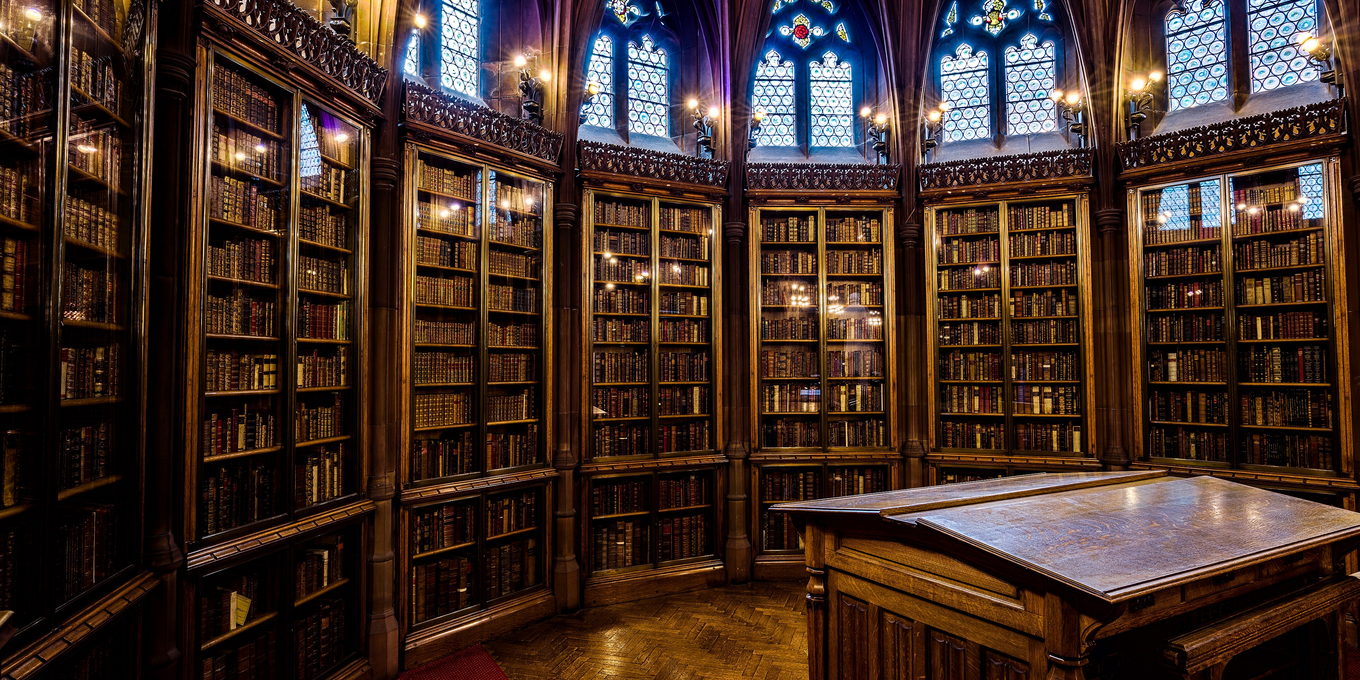
01 The reading room of the law library, where a file is read end to end before anybody discusses it. It is a public collection, open to any member of the bar rather than owned by the practice.
II Wood and paper
The surfaces the work is read across, at the distance you would actually notice them.
-
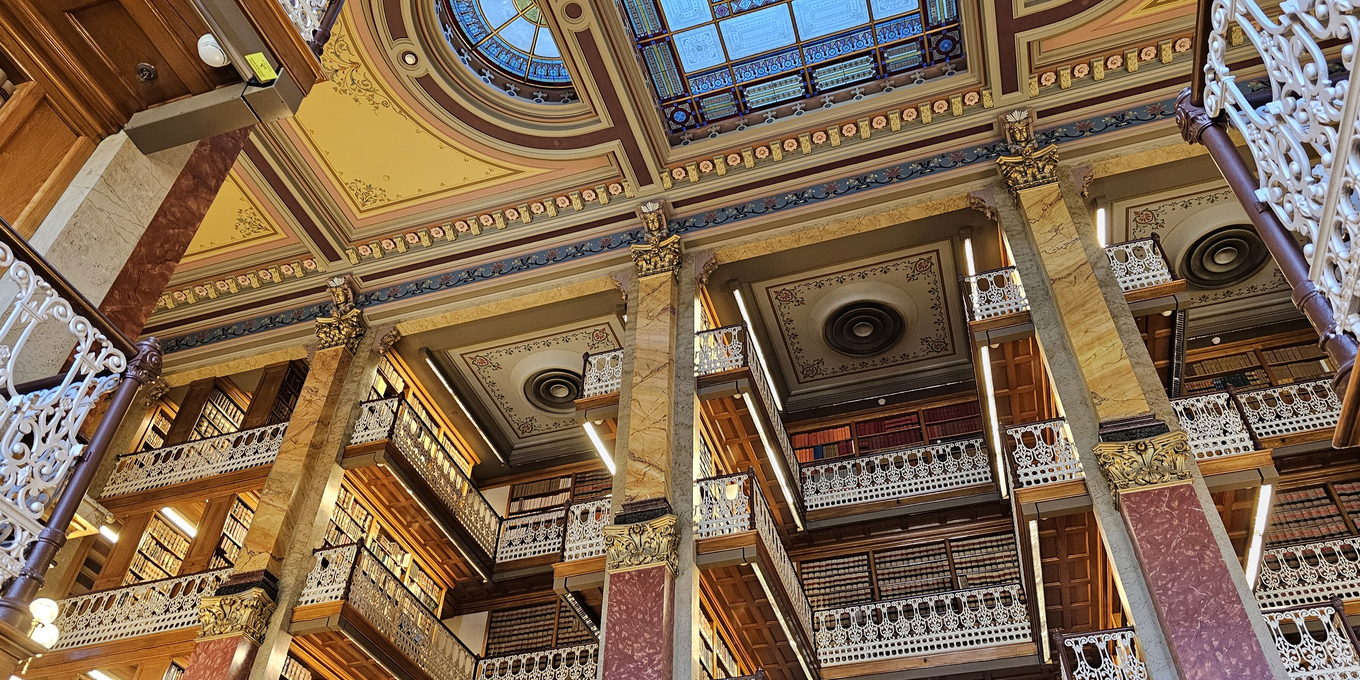
02 The same reports stacked tier on tier above the reading floor, a century of them within reach of one ladder. Most arguments end in a volume somebody has already shelved. -
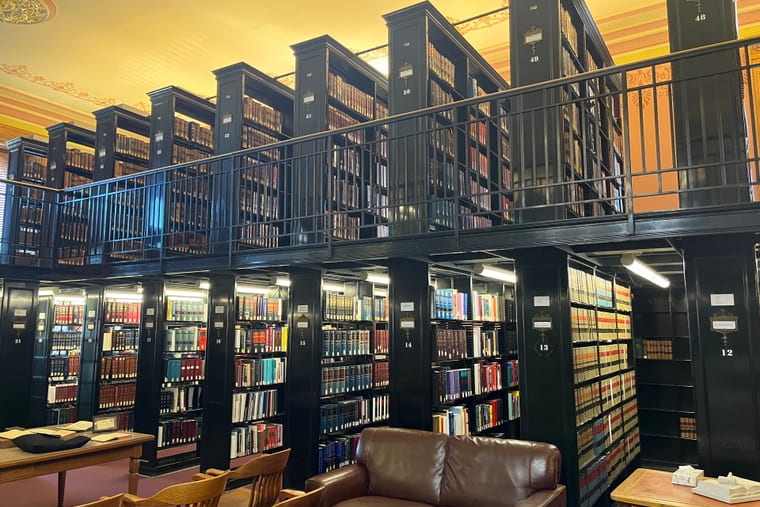
03 Bound volumes running the length of a library wall. Most research is done on a screen now, but a printed series still makes the year an authority belongs to obvious at a glance. -
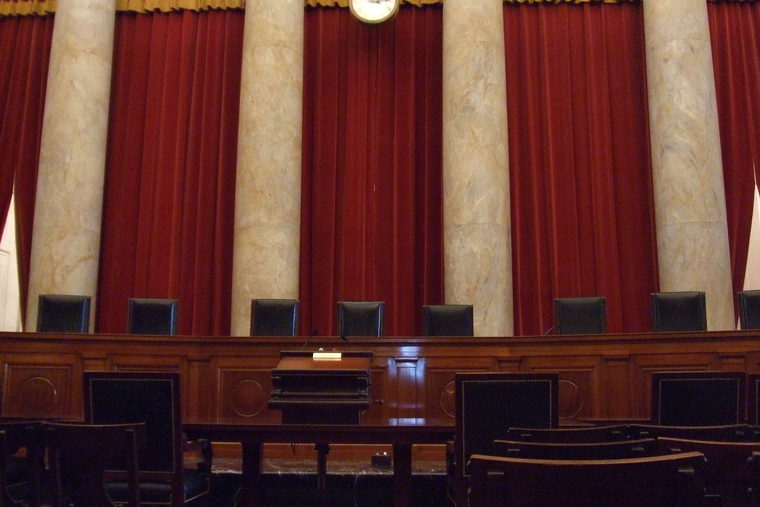
04 Carved panelling and the raised bench of an empty courtroom, photographed close. The woodwork is older than most of the rules now argued in front of it.
III The courthouse
A short walk away, and where a matter goes only when paper cannot settle it.
-
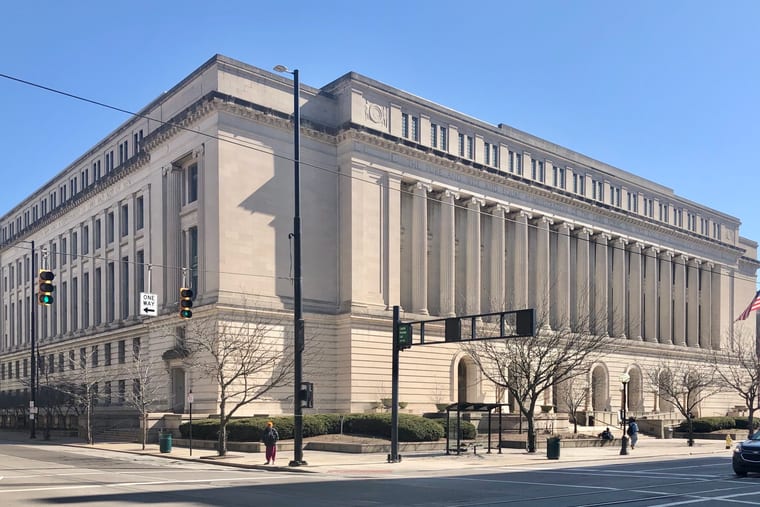
05 The county courthouse, photographed from the street below. Most of what is drafted in an office like this one never goes through those doors, which is usually the better result. -
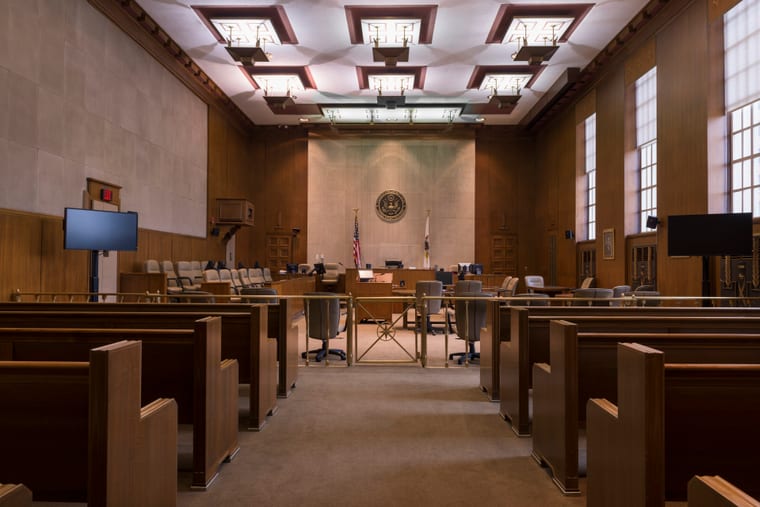
06 An empty courtroom with fixed benches and a raised bench at the front, photographed between sittings. No matter of the practice’s was heard in this room.
IV Two objects
One used constantly, one almost never.
-

07 A shelf of bound law reports, their spines numbered in gold. They are consulted less than they once were and discarded far less often than that would suggest. -

08 A gavel resting on its block. It is the object every law office is photographed with and the one least used here: this work is drafting, reviewing and closing, not argument.
Start with the introductory consultation
It carries no charge, and it ends either with a scope worth agreeing or with a clear statement that none of the six services fits.